Home Energy · Independent review Advertising / Affiliate content

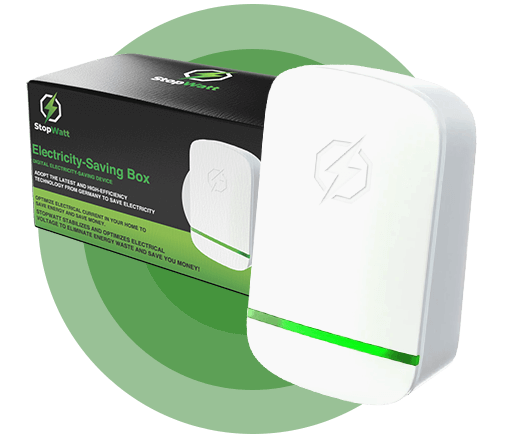
StopWatt Review: Does This Plug-In Device Actually Lower Your Electric Bill?

A plug-in "power saver". This entire product category has been independently debunked for home use

★☆☆☆☆ 1.2 / 5 · Techmetric Score
(our honest take, not a paid ranking)

We try to give every product a fair, evidence-based look on this site. For StopWatt, the evidence is unusually one-sided: this is a category of device. Plug-in "electricity stabilizers" or "power savers". That independent fact-checkers, consumer protection outlets and electrical engineers have repeatedly tested and found does not meaningfully reduce a typical home's electricity bill. We think you should know that before you spend money on it.

See Today's Price →

You're heading to the official page. Check the live price, current bundles, and return policy before you decide.

Quick summary

Bottom line: A plug-in "power saver". This entire product category has been independently debunked for home use · 1.2/5 (Techmetric Score).

Strengths

  • Power factor correction is a real electrical engineering concept, even though it's misapplied here to a residential context where it doesn't matter

Weaknesses

  • Independent testers and fact-checkers found no measurable reduction in electricity bills for this device category
  • Residential customers aren't billed for power factor in the first place, so there's nothing for the device to save
  • Marketing for this product category has used a fabricated Elon Musk endorsement
  • Trustpilot ratings are dominated by 1-star reviews describing it as not working

Product details · Frequently asked questions

Product details

Why this category of device doesn't do what the ads claim

StopWatt's marketing centers on "stabilizing dirty electricity," "reactive power compensation" and reducing EMF exposure. Reactive power compensation (power factor correction) is a real electrical engineering concept. But it matters for industrial and commercial sites with large inductive motor loads, where utilities specifically bill for poor power factor. Residential customers are essentially never billed for power factor in the first place, and most home electronics (LED lighting, phone chargers, TVs, computers) draw power close to unity power factor already. A small plug-in capacitor at a single outlet has no meaningful path to reduce a whole home's metered energy usage. That's basic electrical engineering, not brand-specific criticism.

This isn't just a theoretical objection: local news "verify" segments and independent reviewers who tested this product category found no measurable reduction in electricity bills, and separately, some StopWatt-style marketing has used a fabricated Elon Musk endorsement that has been debunked. He has no connection to this product. Combined with a Trustpilot rating dominated by 1-star reviews describing it as not working, we'd treat the core savings claim with serious skepticism regardless of the discount or guarantee offered.

What to know before you buy

If your goal is genuinely lowering your electric bill, the interventions with actual evidence behind them are efficient appliances/LED lighting, insulation, thermostat management, and (for real power-factor issues) commercial-grade correction equipment installed by an electrician for large inductive loads. Not a small plug-in consumer device. The official page states a 60-day money-back guarantee if you do decide to try it.

Frequently asked questions

Does StopWatt actually reduce electricity bills?

Independent fact-checkers and electrical engineers have found no credible evidence that plug-in devices like this reduce a typical home's metered electricity usage. Residential customers aren't billed for the power-factor issue these devices claim to fix.

Is the Elon Musk endorsement real?

No. Marketing for this category of product has used a fabricated Elon Musk endorsement; he has no verified connection to StopWatt or similar devices.

Is StopWatt dangerous to use?

We found some customer complaints referencing overheating concerns; we can't independently verify these. If you do use one, follow the manufacturer's installation instructions and don't overload a single outlet.

What actually lowers a home electricity bill?

Efficient appliances and LED lighting, better insulation, thermostat scheduling, and addressing actual high-draw appliances. Not a small plug-in stabilizer. For genuine power-factor correction (mainly relevant to businesses with large motors), that requires proper equipment installed by an electrician.

Is there a money-back guarantee?

The official page states a 60-day money-back guarantee.

Should I still buy it?

Given the independent testing and expert consensus on this product category, we'd recommend against it if bill savings are your goal. That's our honest read even though it's an offer on this page.

More in Home Energy

Affiliate disclosure: This page contains affiliate links. If you click through and make a purchase, Techmetric may earn a commission at no extra cost to you. This does not affect the information above, which reflects our honest assessment.
See Today's Price →

You're heading to the official page. Check the live price, current bundles, and return policy before you decide.